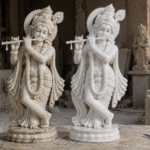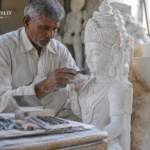
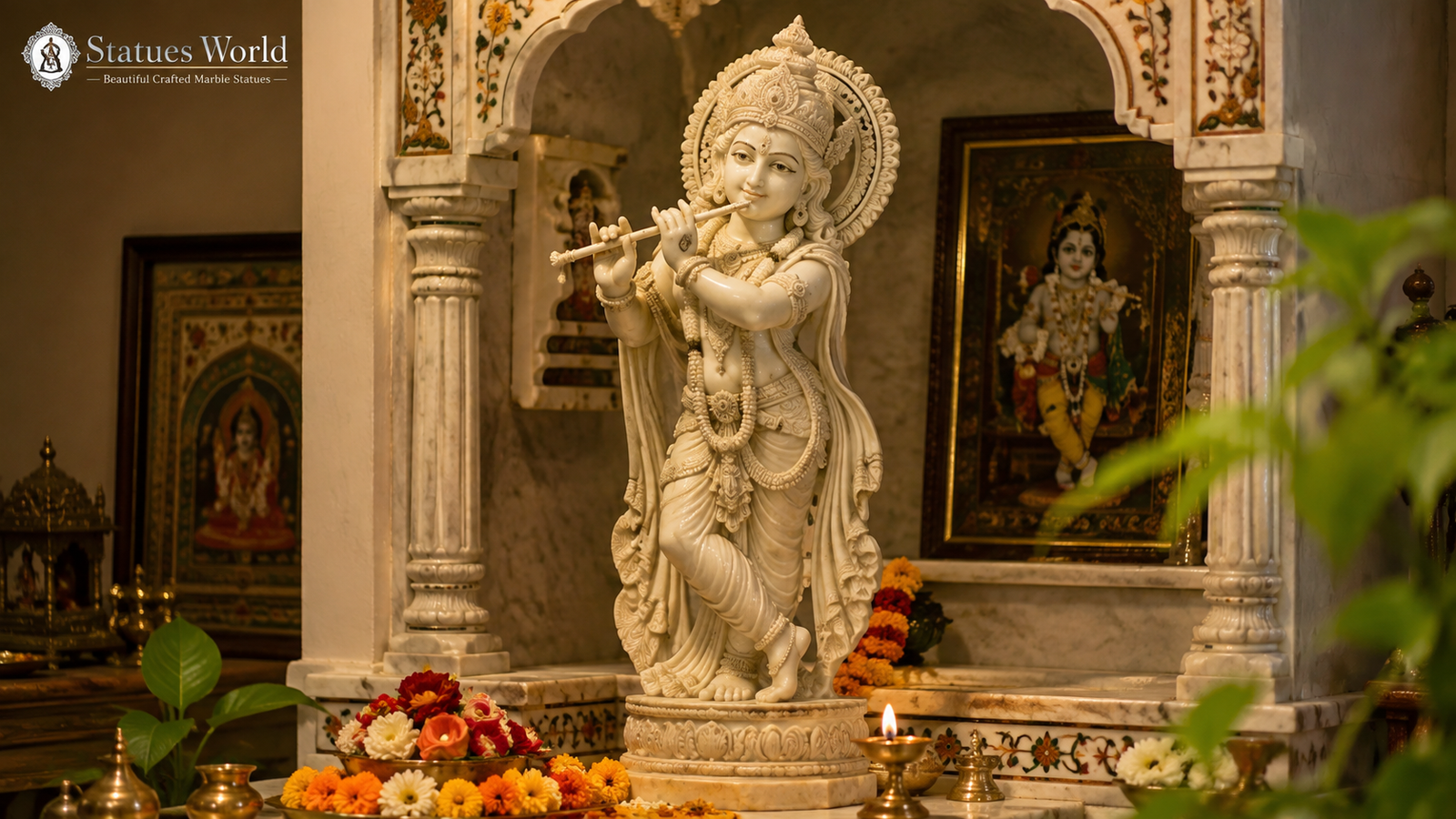
A question that comes up a lot, especially from buyers ordering internationally, Marble Durability is some version of this: will this statue actually hold up where I live. Someone shipping a statue to a humid coastal home in Australia is asking a different question than someone placing one in a Canadian garden that sees snow for months, and both are different again from a buyer in Jaipur dealing with dry heat and dust. Marble is genuinely one of the more durable materials available for a devotional statue, but durability is not a single fixed number. It depends on the quality of the stone, how it was carved and finished, and the conditions it is actually placed in.
This piece breaks down what durability really means for a marble Krishna statue, what affects its lifespan, and how weather resistance plays out differently depending on where in the world the statue ends up.
What Makes Marble Durability in the First Place
Marble is a metamorphic rock formed under enormous heat and pressure over an extremely long geological timescale. That process is part of why it ends up dense and structurally stable once quarried and carved. A well carved marble statue is not fragile in the way people sometimes assume. It can withstand daily handling, routine cleaning, and decades of exposure to normal household conditions without any real structural change.
That said, not all marble is equal, and this is where quality assessment actually matters. Denser, tighter grained marble with minimal natural fissures holds up better over the long term than marble with visible internal cracking or a looser, more porous structure. A skilled sculptor can usually tell the difference in a raw block before carving even begins, which is part of why sourcing the right stone matters as much as the carving itself.
Indicators of a Well Made, Long Lasting Piece
A few things separate a statue built to last from one that may develop problems earlier than expected.
Tight, consistent grain across the surface is a good sign. If you look closely at a finished piece and the texture feels uniform, without visible pitting or rough patches, that generally points to good quality stone. A dense, cool feel when touched also reflects the underlying density that supports long term durability, the same property that makes marble resistant to everyday wear.
The carving itself matters too. Thin, delicate protrusions such as an outstretched flute or a raised hand are naturally more vulnerable points on any statue, since they carry less surrounding stone mass. A skilled sculptor accounts for this during carving, keeping these areas proportionate enough to remain structurally sound rather than overly thin and prone to chipping.
Indoor Lifespan: What to Realistically Expect
For a statue kept indoors in a home temple, away from direct weather exposure, marble is remarkably long lasting. With basic care, a genuine hand carved marble Krishna statue can realistically remain in excellent condition for many decades, often passing from one generation to the next without any structural concerns. The main factors that affect indoor lifespan are less about the marble itself and more about handling, cleaning, and incidental damage such as accidental knocks or drops.
Painted and gold leaf detailing does have its own separate lifespan, since pigment and gold work can fade or wear gradually over years of exposure to incense smoke and handling, even while the underlying marble remains structurally unaffected. This is worth keeping in mind separately from the stone’s own durability.
Weather Resistance: Why Location Changes the Answer
This is where the conversation becomes more nuanced, especially for statues shipped internationally or placed outdoors.
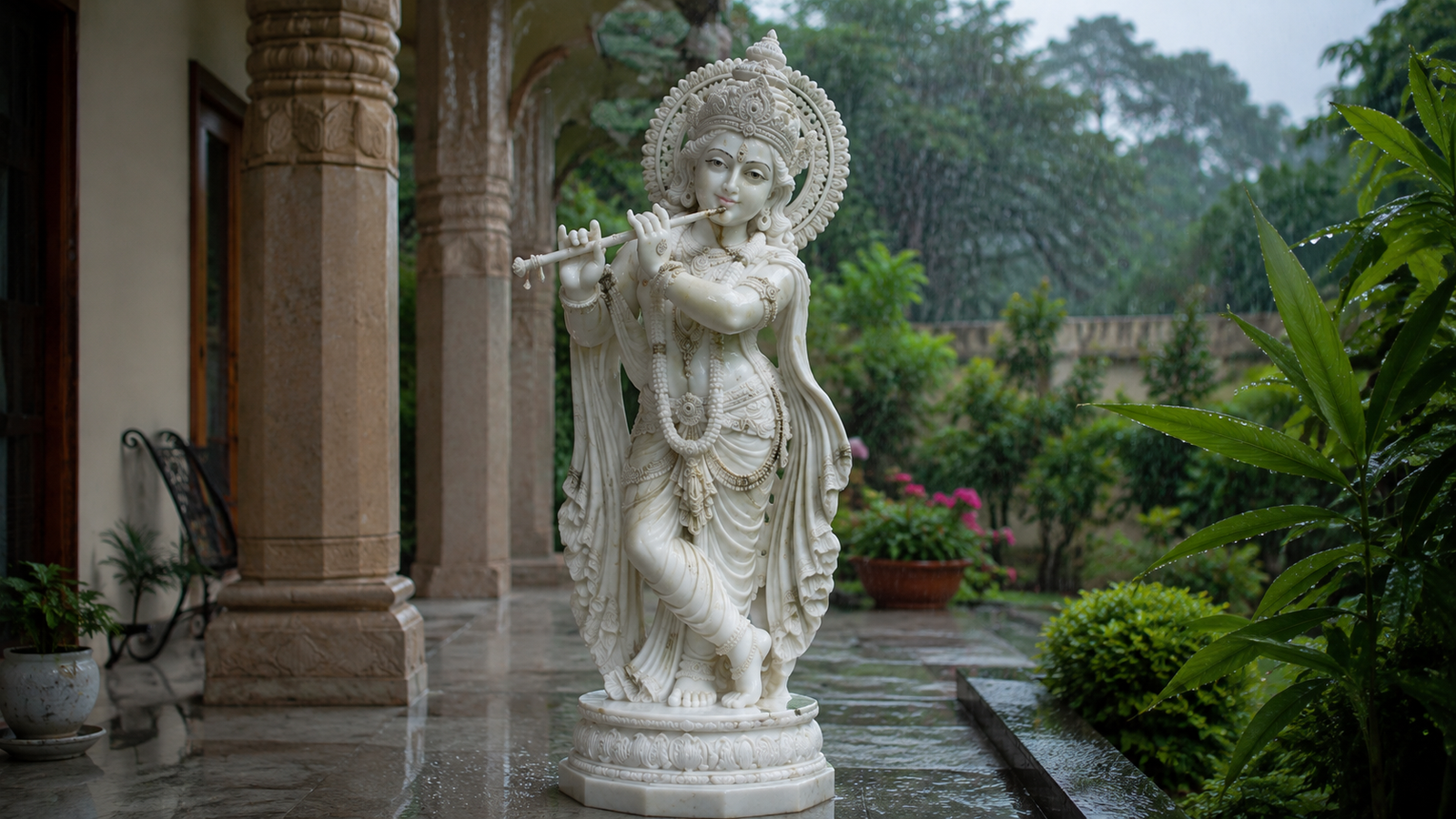
In hot, dry climates similar to Rajasthan, marble handles heat well and shows little change over time, since it was quarried and has traditionally been used in exactly these conditions for centuries. Humid coastal climates, such as parts of Australia or the southern United States, introduce a different consideration. Marble is not porous enough to absorb significant water quickly, but prolonged, repeated moisture exposure over years can very gradually affect polished surfaces, particularly if the statue sits directly in standing water or in a spot with poor drainage.
Cold climates with freeze and thaw cycles, common across much of Canada and parts of the UK, are the condition that requires the most thought. Water that seeps into any fine natural fissures in the stone can expand when it freezes, and repeated freeze thaw cycles over many winters can gradually stress those weak points. This is less of a concern for statues kept indoors, but it becomes genuinely relevant for anyone considering outdoor placement in a climate with regular winter freezing.
Practical Guidance by Placement
For any buyer thinking through where a statue will actually live, a few general principles help regardless of exact location.
Indoor placement, in a home temple or covered pooja room, is the safest option for long term durability everywhere, and it is also the traditional placement for a Krishna moorti in most households. If outdoor or semi outdoor placement is being considered, a covered veranda or sheltered alcove that blocks direct rain and snow accumulation offers a reasonable middle ground, since it reduces prolonged water exposure while still allowing some airflow.
For buyers in colder regions specifically considering any outdoor placement, it is worth discussing this directly before ordering, since sculptors can sometimes recommend design or finishing adjustments, or simply advise that indoor placement is the better long term choice for that particular climate.
Caring for the Statue Across Different Conditions
Regardless of climate, a few care habits extend the life of any marble statue. Regular dry dusting prevents buildup that can trap moisture against the surface over time. In humid climates, slightly more frequent wiping helps prevent any long term moisture buildup in crevices or detailed carving. In dry climates, occasional gentle cleaning helps prevent dust accumulation from dulling the natural shine.
Avoid harsh chemical cleaners in all cases, since these can affect both the stone’s polish and any painted or gold leaf detailing, regardless of where in the world the statue is kept.
A Quick Climate Reference
| Climate Type | Main Consideration | Recommended Placement |
|---|---|---|
| Hot and dry (India, parts of Australia, USA) | Minimal impact on stone itself | Indoor or outdoor, both generally fine |
| Humid coastal (Australia, southern USA, UK coast) | Gradual moisture exposure over years | Indoor or covered outdoor space preferred |
| Cold with winter freeze (Canada, UK, northern USA) | Freeze and thaw stress on fine fissures | Indoor placement strongly recommended |
Frequently Asked Questions
How long does a marble Krishna statue typically last indoors?
With basic care, a genuine hand carved marble statue kept indoors can realistically remain structurally sound for many decades, often for generations, since marble itself does not degrade the way composite materials do.
Is it safe to place a marble Krishna statue outdoors?
It depends heavily on climate. In hot, dry conditions it is generally fine. In climates with regular winter freezing, indoor placement is the safer long term choice due to freeze and thaw stress on the stone.
Does painted detailing last as long as the marble itself?
Not always. Paint and gold leaf work can fade gradually over years, particularly with incense smoke exposure, even though the underlying marble structure remains unaffected.
What is the biggest factor in a statue’s long term durability?
The density and consistency of the marble block itself, combined with skilled carving that keeps delicate areas like the flute or raised arms proportionate rather than overly thin.
Should I mention my location’s climate before ordering a custom statue?
Yes, especially if you are considering outdoor placement or live somewhere with cold winters, since this can affect placement recommendations before the piece is even carved.
Choosing a Statue Built for Where You Live
marble durability starts with the quality of the marble and the skill of the carving, but where the statue will actually live matters just as much for its long term condition. If you would like guidance on the right stone and finish for your specific climate, you can browse the marble Krishna statues collection at Kamal Moorti, or look at the Shree Radhe Krishna pair designs for home temple placement. For outdoor or garden settings, it also helps to look at the workshop’s approach to handcrafted marble temples built for lasting placement.
To discuss your specific location and climate before placing an order, learn more through the About Us page or reach out via the contact page, or call +91-9829678999 for direct guidance on the right choice for your home.