
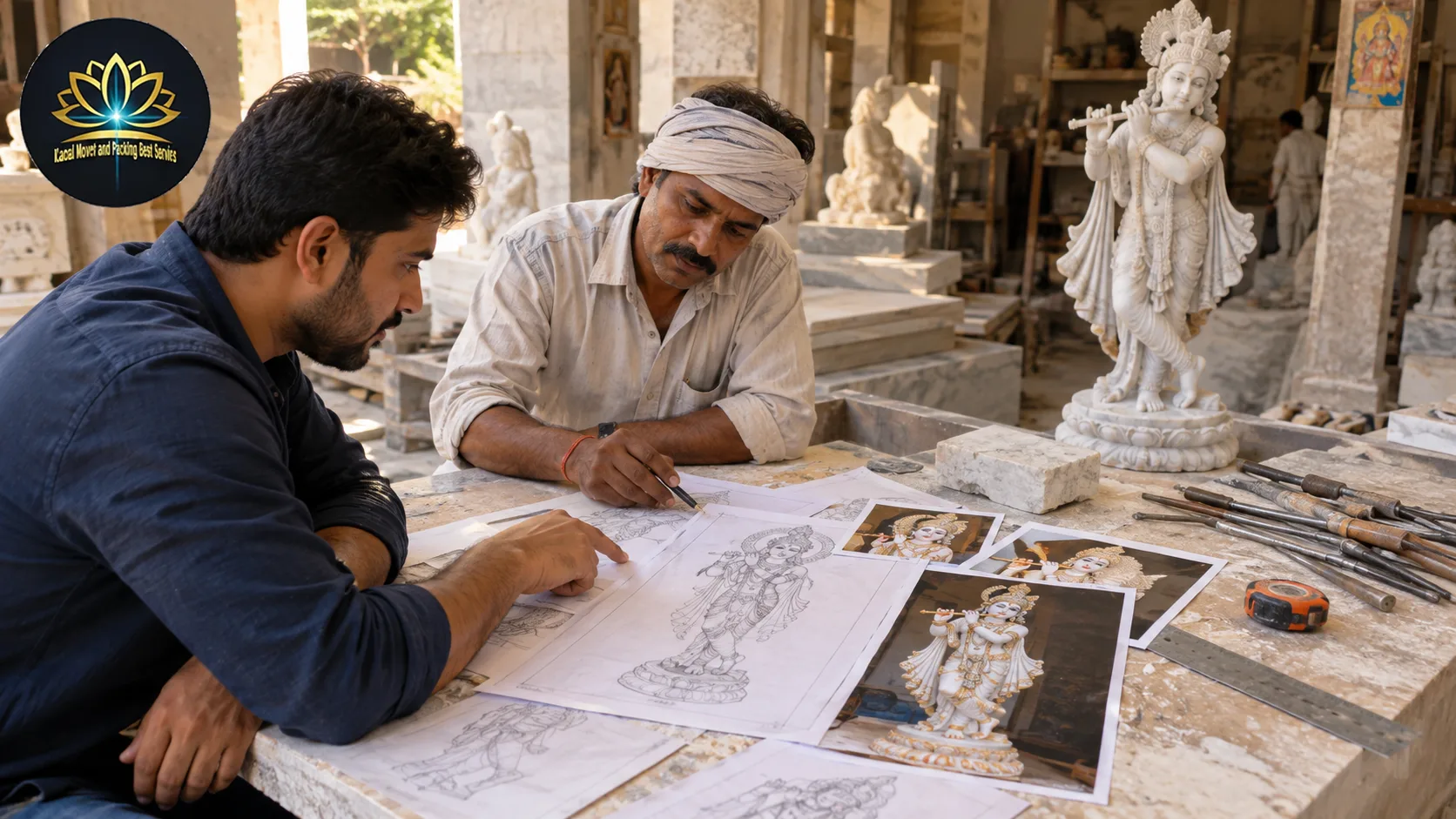
Buying a ready made statue is straightforward. You see it, you like it, you order it. Commissioning a custom piece is a different kind of experience altogether, closer to a conversation than a transaction. It usually starts with someone having a fairly specific picture in their head, maybe a pose they remember from a family temple growing up, a color scheme that matches their existing decor, or a size they need to fit a particular space, and wanting to know whether that vision can actually be brought to life in marble.
The good news is that hand carved custom Krishna statue offer a genuine amount of flexibility, far more than most people expect going in. This guide walks through what can actually be customized, how the process typically works, and a few things worth thinking through before you start.
Why Customization Is Possible in the First Place
Because a hand carved statue is shaped individually by an artisan rather than produced from a mold, adjustments to pose, proportion, size, and finishing are genuinely achievable in a way they simply are not with mass produced or cast pieces. This is really the core advantage of going custom. You are not choosing between a handful of fixed templates. You are working with a craftsperson who can shape decisions around your specific vision.
That flexibility does come with a longer timeline and a more involved conversation upfront compared to buying something already finished, but for many buyers, that trade off is exactly the point.
Pose and Posture Adjustments
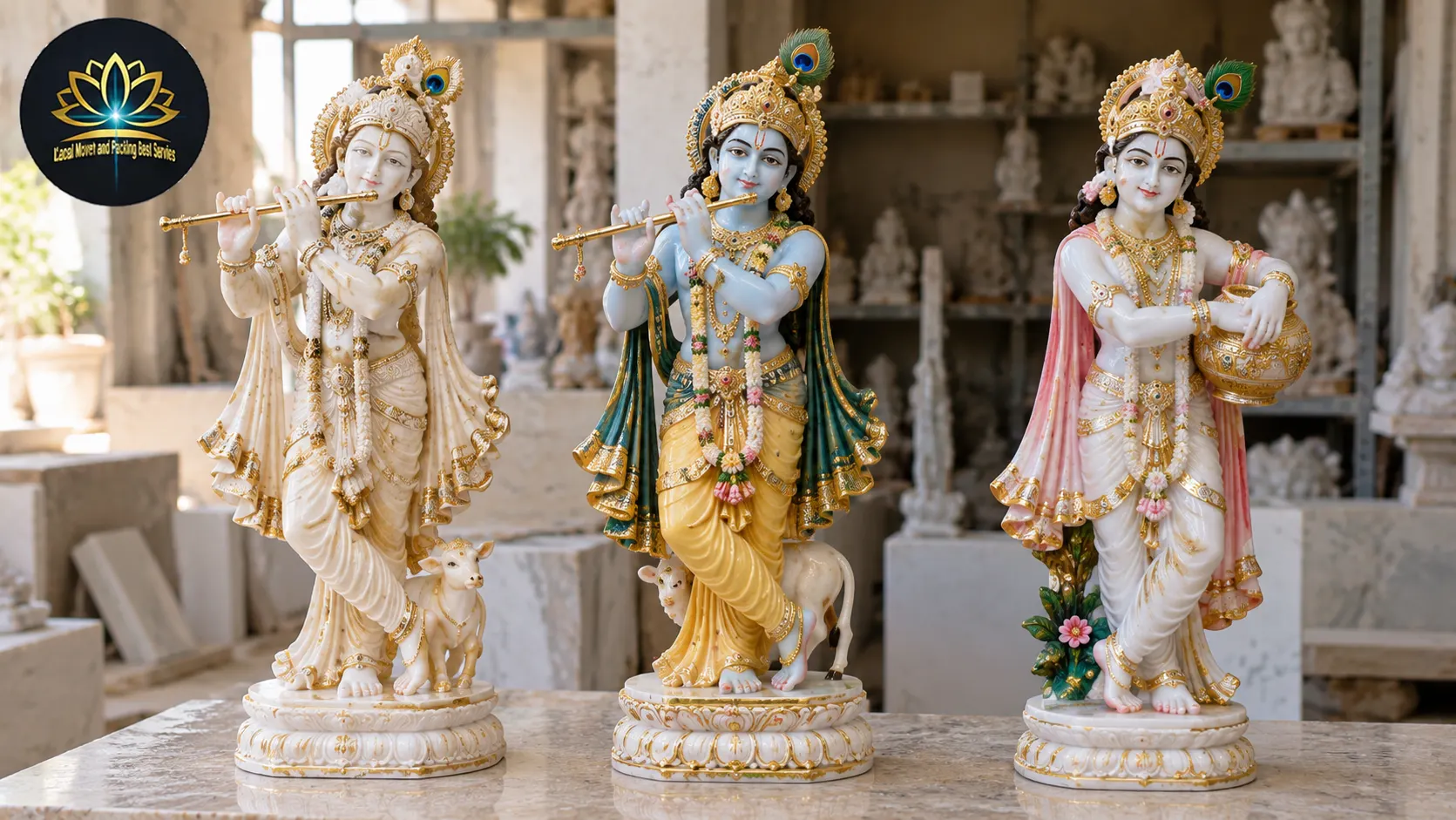
The starting point for most custom orders is the pose itself. While classical forms like Murlidhar, Venugopal, or Kaliya Daman, covered in more detail in our guide to Krishna statue poses and meanings, provide a strong traditional foundation, subtle adjustments within these poses are often possible. This might include the angle at which the flute is held, the tilt of the head, or the specific positioning of a companion figure like a cow in a Venugopal design.
More significant pose customization, such as blending elements from two different traditional forms or requesting an entirely original composition, is also possible, though it naturally requires more discussion and planning time with the artisan to ensure the final result remains proportionate and structurally sound.
Size and Scale
Custom orders are not limited to standard size categories. If you need a statue to fit a very specific shelf, alcove, or platform, sharing exact measurements allows the piece to be carved to fit that space precisely, rather than settling for the closest available standard size. This is particularly useful for awkward or unusually shaped temple corners where a slightly different height or width makes a meaningful difference in how the finished statue actually sits in the space.
Marble Type and Color Palette
Choosing between white marble and darker options like black marble, discussed further in our comparison of white and black marble Krishna statues, is one of the more fundamental customization decisions, since it shapes the entire visual character of the piece from the start.
Beyond the base stone, the color palette used in painting is highly flexible. Traditional blue toned skin coloring is common, but some families prefer specific garment colors that match existing temple decor, family tradition, or personal preference. Gold detailing can range from minimal accenting on the crown and flute to extensive layered work across the entire garment and jewelry.
Detailing Style and Level
How much painted and gold leaf detailing a statue carries is entirely adjustable based on preference and budget, discussed in more depth in our guide to what determines marble statue cost. Some buyers want the full traditional look with comprehensive hand painting throughout. Others prefer a more contemporary, minimal finish with the natural marble left largely visible, discussed further in our comparison of traditional and contemporary Krishna statue designs. Custom orders allow you to land anywhere along that spectrum rather than choosing from fixed finishing tiers.
Base and Platform Design
The base a statue stands on is often an overlooked area of customization, but it genuinely affects the overall presentation of the piece. Options typically include a simple polished platform, a more ornately carved lotus base, matching the base marble to the same or a contrasting stone from the statue itself, and adjusting base proportions to suit a specific display surface.
Personalized Dedication or Inscription
For statues intended as significant gifts, such as housewarming presents, wedding gifts, or milestone celebrations, some buyers request a small inscription on the base, perhaps a name, date, or short dedication. This is worth discussing early in the custom process, since inscription placement and style need to be planned alongside the overall base design rather than added as an afterthought.
Companion Elements and Additional Figures
Depending on the chosen pose, additional elements can sometimes be incorporated, a cow for a Venugopal design, a peacock for certain seated compositions, or a small platform element referencing a specific story or family tradition. These additions require careful planning to keep the overall composition balanced, and they are best discussed clearly with the artisan before carving begins.
What Generally Cannot Be Changed
It is worth being upfront that not everything is infinitely flexible. Certain iconographic elements, such as the specific objects Krishna holds in a recognized traditional pose, are typically kept accurate to preserve the spiritual and symbolic meaning of the form. Extremely thin or overly delicate structural elements requested purely for visual effect may also be adjusted slightly by the artisan for structural durability, since a design that looks striking in a sketch is not always structurally sound once translated into stone. A good workshop will explain these adjustments clearly rather than silently deviating from what was discussed.
How the Custom Order Process Typically Works
Understanding the general flow of a custom order helps set realistic expectations from the start. It usually begins with a conversation describing your vision, whether through a written description, reference photos, or a rough sketch. From there, the workshop confirms feasibility, discusses size and material options, and provides an estimated timeline based on the complexity involved.
Once details are finalized, carving begins, and many workshops can share progress photos at key stages, particularly useful for buyers ordering internationally who cannot visit in person. After carving, painting and finishing stages follow, with a final quality check before the piece is prepared for delivery or international shipping.
Throughout this process, clear communication matters more than almost anything else. Being specific about what you want, and asking questions early rather than after a stage is already complete, leads to a far smoother experience and a final piece that genuinely matches what you had in mind.
Tips for a Smooth Custom Experience
A few habits make custom commissioning considerably easier. Gather reference images beforehand, even if they are not exact matches, since visual references communicate intent far more precisely than description alone. Be clear about your budget range early, since this helps the workshop suggest which combination of size, detailing, and finishing will genuinely fit within it. Ask about the expected timeline upfront, particularly if you are ordering ahead of a specific occasion or festival. Finally, stay engaged during progress updates if they are offered, since catching a detail early is always easier than requesting a change after a stage is complete.
Frequently Asked Questions
How much does a custom order typically cost compared to a standard piece?
It depends on the level of customization requested. Adjustments within an established pose are generally comparable in cost to a standard order, while significant original compositions may involve additional planning time.
Can I request a completely original pose not based on any traditional form?
In most cases yes, though it requires more detailed discussion with the artisan to ensure the design remains both spiritually appropriate and structurally sound.
How far in advance should I place a custom order?
It is best to allow several weeks beyond the estimated carving time, especially if you are ordering ahead of a specific festival or occasion, to account for both production and shipping.
Can I see progress photos during the carving process?
Yes, many workshops can share progress updates at key stages, which is particularly helpful for buyers ordering internationally who cannot visit in person.
Is it possible to combine elements from two different traditional poses?
Yes, this is a common type of custom request, though it requires careful planning to ensure the final composition remains balanced and proportionate.
Bringing Your Vision to Life
A custom marble Krishna statue is really a collaboration between what you envision and what skilled hands can carve into permanence. You can explore the range of traditional poses in the marble Krishna statues collection at Kamal Moorti as a starting reference, or look at the Shree Radhe Krishna pair designs if your custom vision involves a paired statue.
To start a conversation about your custom design, share reference images, and get a personalized timeline and quote, reach out through the contact page, learn more via the About Us page, or call +91-9829678999 to discuss your vision.

Pingback: Radha Krishna Marble Statue Manufacturing San Jose
Pingback: Radha Krishna Marble Statue Manufacturing Kitchener